
Guide to Rug Size Selection
Choosing the right rug size can completely transform the look and feel of a space. A rug should do more than fill empty floor area; it should support the room, frame the furniture, and create visual balance. This rug size guide is designed to help you choose the correct proportions for every room in your home with confidence.
1. Understand the Purpose of the Rug
Before selecting dimensions, consider what role the rug will play in the space.
Area Rugs:
Used to anchor a seating area, define a zone beneath a coffee table, or create a sense of structure in an open layout.
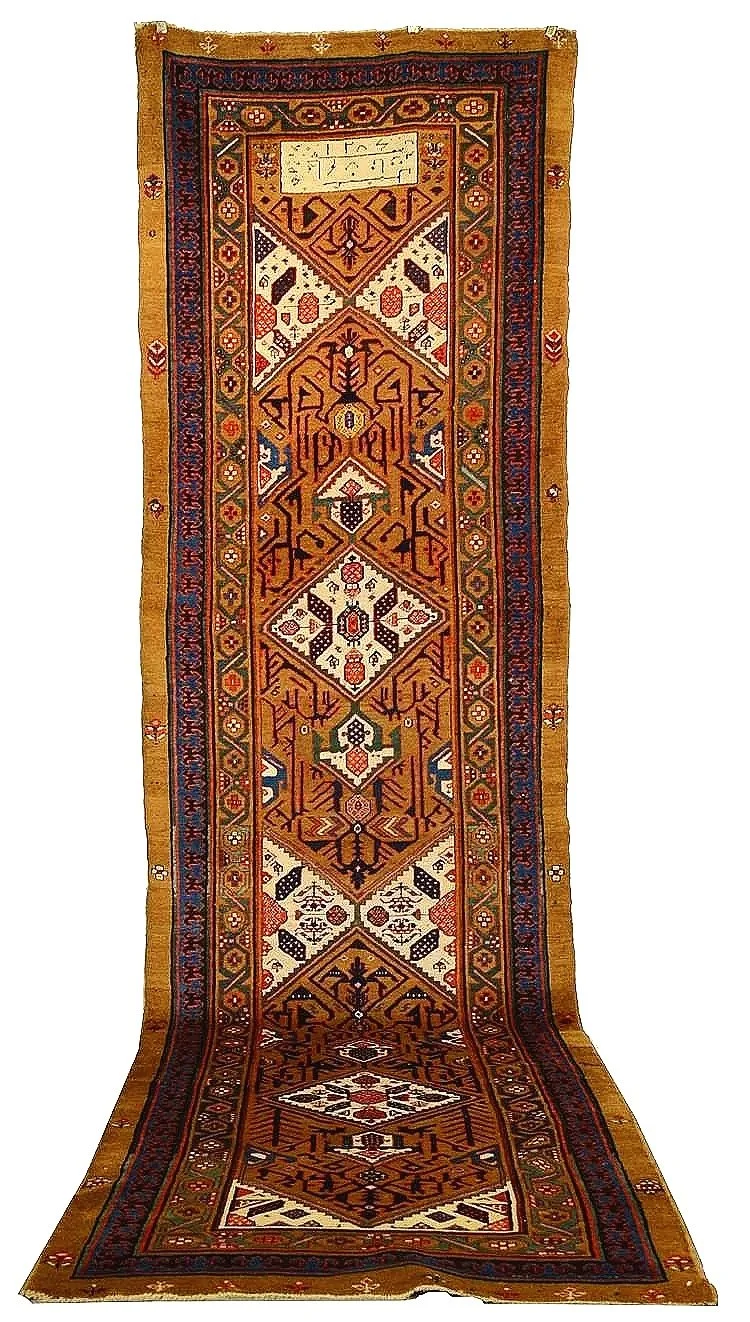
Runners:
Long and narrow, ideal for hallways, entryways, kitchens, or any slim space that benefits from softness and visual flow.
Room-Sized Rugs:
Designed to cover a large portion of the floor, these rugs unify the room and create a warmer, more cohesive feel.
Wall Art Rugs:
Some handmade rugs are collectible pieces meant to be displayed vertically, functioning as textile art rather than floor coverings

2. Measure Before Choosing Rug Dimensions
Accurate measurements are essential when selecting the right rug size.
Room Dimensions:
Measure the full length and width of the room to understand the maximum rug dimensions that will fit comfortably
.Furniture Layout:
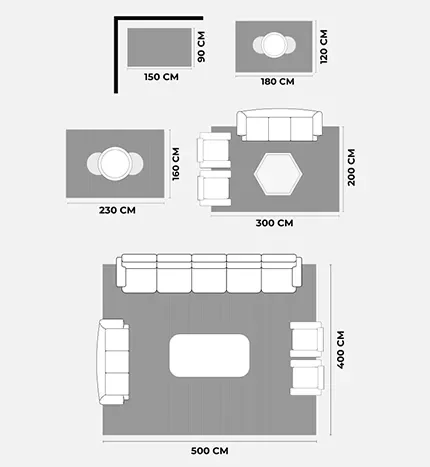
Consider how furniture is arranged. The rug should complement the layout, not crowd it or interrupt circulation.
3. Choosing the Right Rug Size by Room
Living Room
Smaller Spaces:
A rug centered in the seating area with visible floor space around the edges keeps the room open.
Standard rug sizes such as 5' x 8' or 6' x 9' work well.
Larger Spaces:
For a more grounded look, choose a rug that sits under the front legs of sofas and chairs, or fully under all furniture.
Common living room rug size options include 8' x 10' or 9' x 12'..
Dining Room
The key rule for dining room rugs is that chairs must remain on the rug even when pulled out.
Small Tables:
A 6' x 9' rug typically provides sufficient coverage.
Larger Tables:
Choose a rug that extends at least 24–30 inches beyond the table on all sides.
Standard rug sizes include 8' x 10' and 9' x 12'.
Bedroom
There are two popular approaches to bedroom rug placement.
Rug Under the Bed:
The rug should extend beyond the sides and foot of the bed.
Sizes such as 6' x 9' or 8' x 10' are commonly used.
Full Room Coverage:
For a more luxurious feel, a room-sized rug placed under the entire bed and nightstands creates a unified look.
Consider sizes like 9' x 12' or larger.
Hallways & Entryways
Narrow Hallways:
Runners are the best option, with standard rug sizes like 2' x 6' or 3' x 8'.
Larger Entryways:
A wider runner or a small area rug helps define the space without obstructing movement.
Popular sizes include 4' x 6' or 5' x 8'.


4. Maintain Visual Balance
A rug that is too small can make a room feel incomplete, while an oversized rug can overwhelm the space. The right rug size should feel proportionate to the furniture and the room’s layout, creating harmony rather than tension
5. Visualize the Rug Size Before Buying
A simple visualization technique can prevent costly mistakes.
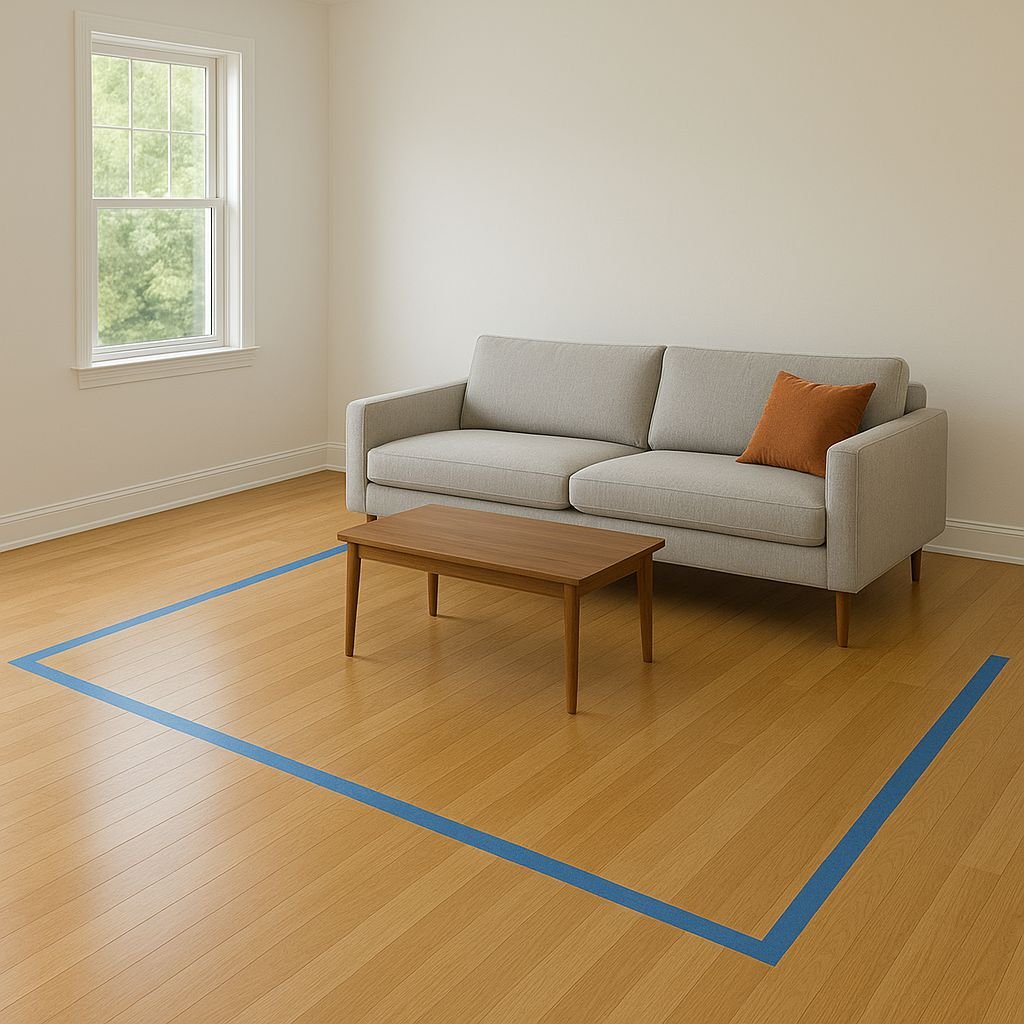
Mark the rug dimensions on the floor using painter’s tape.
Walk around the taped outline to experience how it feels in the space.
Adjust the outline until the proportions feel natural.
Some retailers also offer virtual tools that allow you to preview rug dimensions digitally in your room.
6. Think About Function as Well as Style
Beyond appearance, rug size affects how a space functions.
Traffic Flow:
Ensure the rug does not block pathways or interfere with movement.Comfort and Warmth:
Larger rugs add softness underfoot and create a more inviting atmosphere, particularly in living rooms and bedrooms.
7. Consider Rug Shape
Rug shape influences how a room feels, just as much as size.
Rectangular Rugs:
The most versatile option for living rooms, dining rooms, and bedrooms.
Round Rugs:
Ideal for round tables, reading corners, playrooms, or spaces that feel overly angular.
Square Rugs:
Work best in square rooms or beneath square dining tables.
Final Thought:
Choosing the right rug size is not only about measurements. It is about how the rug supports the room and enhances the overall atmosphere. When proportions are right, a space feels grounded, balanced, and inviting.