
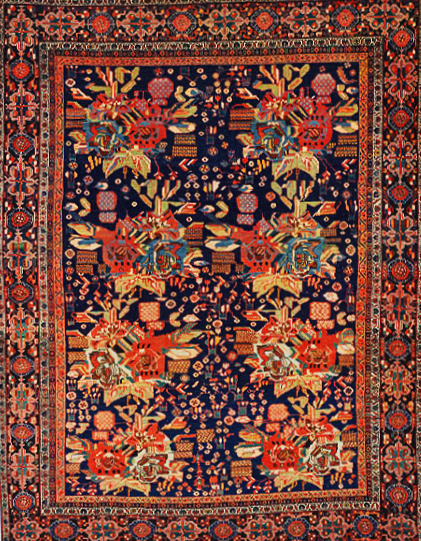
AFSHAR RUGS, A STORY WOVEN IN MOTION
The Afshars wove their rugs to endure the demands of nomadic living.
The geometric Afshar pieces appearing further down the page reflect this strength: tight knots, durable wool, and crisp, readable designs. These were rugs meant to be used, moved, and trusted, hallmarks of durable Afshar carpets.
Crafted for Strength and Clarity
A Heritage Preserved Through Change
Even as many Afshar families settled into villages, their weaving carried the same identity. Modern Afshar pieces may be slightly larger or feature more refined elements, but the heart remains tribal, bold patterns, warm colors, and a direct link to their history through Afshar rugs.
Afshar rugs are admired not for extravagance, but for honesty.
They feel genuine because they are woven without pretense for real homes, real families, and real lives.
Every rug on this page carries that truth: individuality, character, and authenticity that cannot be replicated in commercial weaving or mass-produced carpets, reinforcing the enduring appeal of Afshar rugs.
Why Collectors Value Afshar Rugs
The Afshar people lived with the seasons, carrying their homes and looms from one landscape to another. Their rugs reflect that movement, compact, strong, and filled with symbols taken from the world around them, a defining trait of traditional Afshar rugs.
The first Afshar rug on this page, with its orderly layout and flowing motifs, is a perfect example of this balance between practicality and artistry
A Rug Born From a Life on the Move
Patterns Inspired by the Land
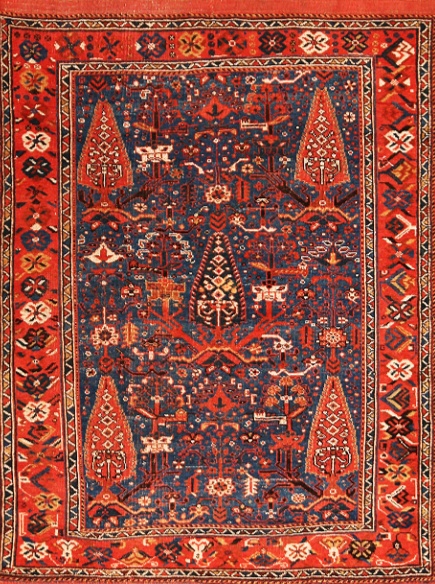
Afshar weavers often drew directly from nature. Cypress trees, flowers, and fields appeared in their designs because they appeared in their daily lives.
The cypress forest rug beside this text shows exactly how the tribe translated the landscape into pattern, a rhythmic, grounded depiction of the world outside their tents, characteristic of many Afshar carpets.
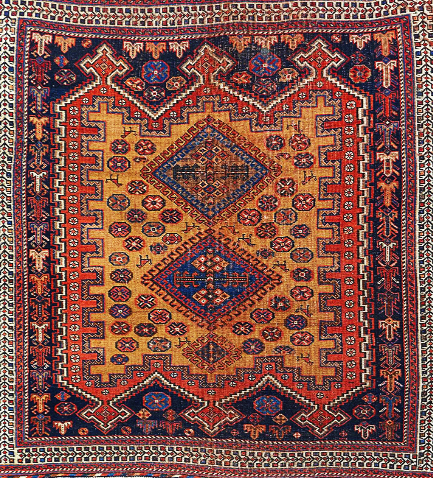
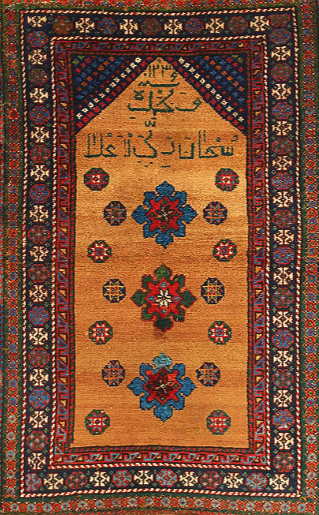
Some Afshar pieces, like the Mehrab rug shown here, carry spiritual architecture within their borders. These designs show the weaver’s ability to combine tribal identity with influences from settled Persian culture.
The geometry is clean, the colors intentional, and the workmanship unmistakably Afshar, reflecting the clarity seen in classic Afshar rugs.
A Language of Faith and Geometry
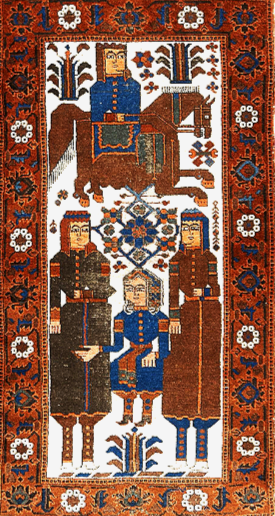
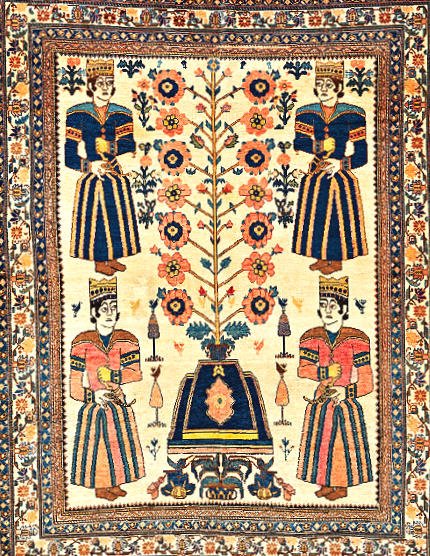
Unlike city carpets, many Afshar rugs portray scenes from everyday life.
Look at the family-portrait rug on this page, figures standing proudly, surrounded by symbols of abundance and protection. These pieces are windows into tribal culture, where weaving served as both art and record, a quality that defines authentic Afshar carpets.
Life, People, and Storytelling in Wool
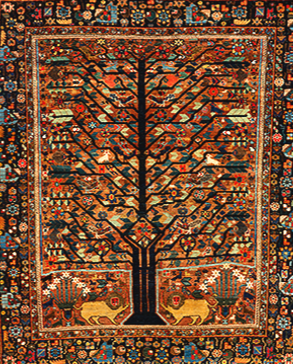
Symbols That Carry Meaning
Tree-of-life rugs, like the one displayed here, show the Afshar connection to growth, protection, and continuity.
Other pieces include boteh motifs, medallions, animals, or geometric forms, each one tied to ideas of fertility, movement, or the cycles of life found throughout Afshar rugs.